MEMORY CONTINUITY INSTITUTE / 2066
The past,
within reach.
A photograph survives.
A voice stays with you.
We help you find your way back to the parts of your life you can no longer recall.
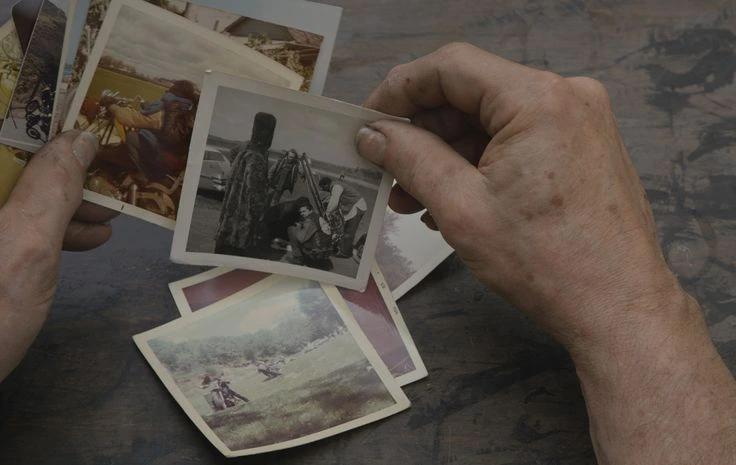
MOVE TO TRACE A MEMORY
CLIENT FEEDBACK / M—014
The joy of
remembering.
Some moments shape who we become. Helping you return to them is at the heart of our work.
GRADUATION / A FICTIONAL CLIENT STORY
A FAMILIAR FACE. A MISSING DAY.
She recognised herself in her graduation photograph, but could no longer recall the day.
“MNEM brought back that day — and the pride I felt.”
LIANG / M—014
Her friends’ voices.
The joy of graduating.
The feeling of being there, together.
FICTIONAL CASE AND TESTIMONIAL / SPECULATIVE DESIGN
ILLUSTRATIVE PHOTOGRAPH; THE PEOPLE SHOWN ARE NOT MNEM CLIENTS.
01 / THE INSTITUTION
A life is more
than its archive.
We began with the things people kept: photographs, handwritten notes, recordings. Today, we bring those fragments into conversation with the lives around them.
At MNEM, each reconstruction begins with evidence. Every version remains connected to its source, its questions, and the person who chooses to accept it.
Explore our evolutionOUR STORY / 1996—2066
From images
to memories.
1996
Photographic preservation
We began by restoring family photographs and preserving the albums, notes and names around them — retaining the material traces of the past.
CHAPTER 01 / 05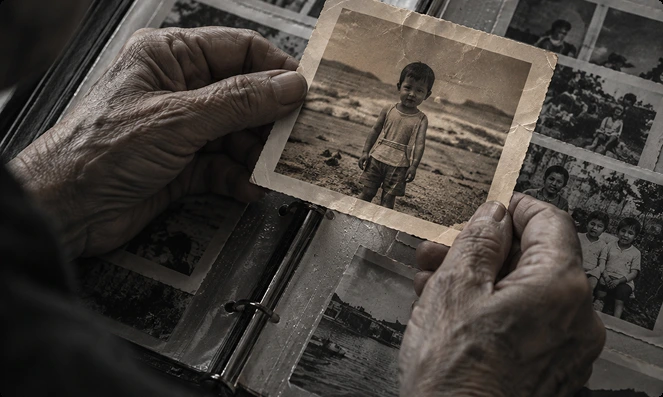
02 / MNEM RESEARCH
When does
completion become
fabrication?
An image can look convincing and still tell a different story. Our experiments examine what changes when evidence disappears, when outputs diverge, and when recollection guides the result.
EXPERIMENT ARCHIVE / A—C
SUPPLIED IMAGE STUDIES / FIXED RESULTS
Mosaic masks visualise the obscured regions. Reconstructions are the archived study outputs.
How much can disappear
before the story changes?
One source photograph. Four loss levels. One identical restoration instruction.
SELECT RETAINED IMAGE AREA
Both children remain visible. Missing surroundings are filled with proposed details.
As evidence decreases, added details increase. Every result must remain traceable to the original input.
One fragment.
Four plausible versions.
The same damaged input and identical restoration instruction produced four different outputs.
FIXED INPUT / 29.8% AREA RETAINED
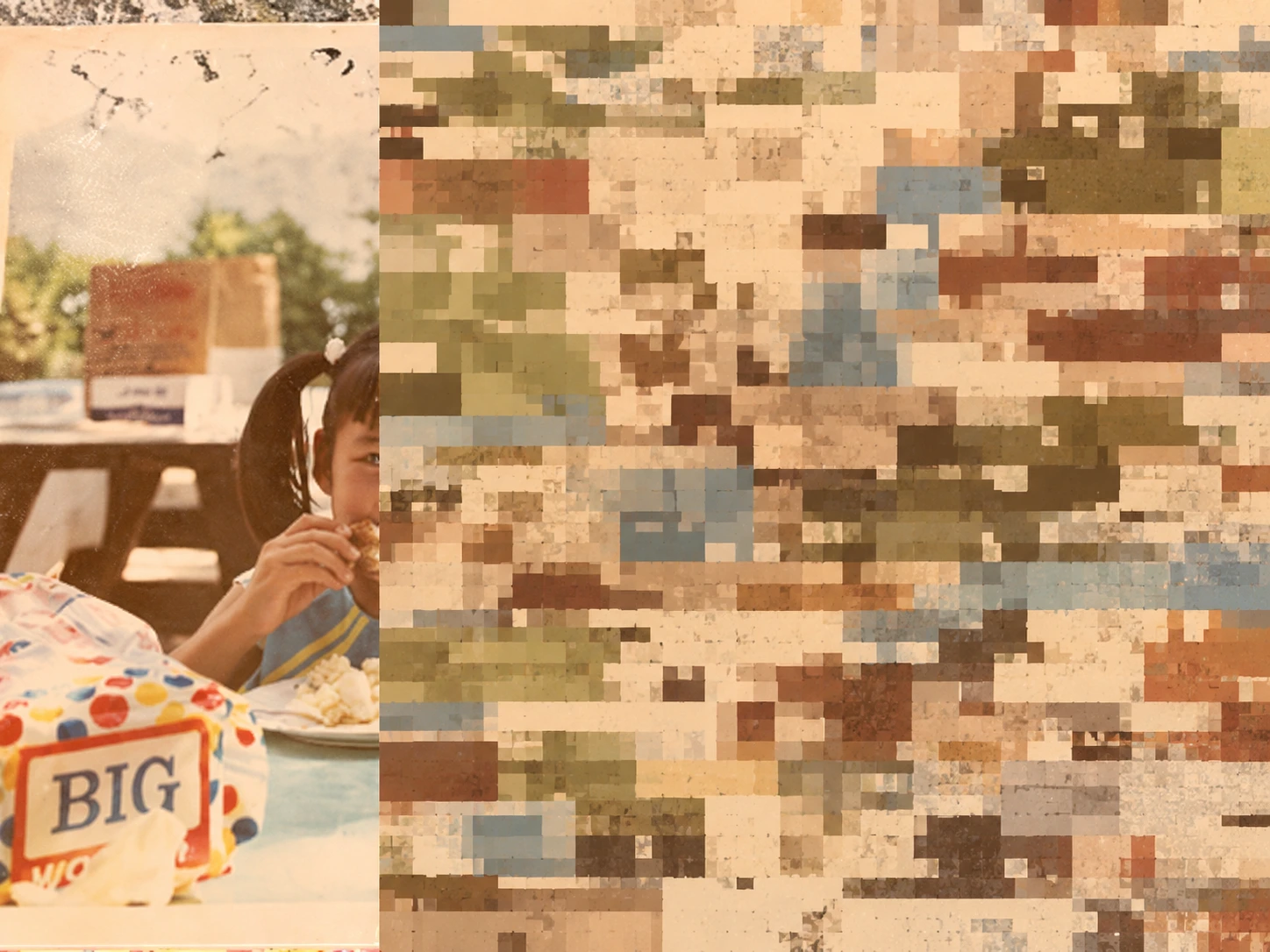
A convincing completion is a proposal. Details unsupported by source material must remain identified as inference.
The words around an image
can change what appears.
Same damaged input and base instruction. Only the supplied recollection changes.
SUPPLIED RECOLLECTION
“I remember that we were eating together at a family picnic in this park.”
A dining group appears in the background. Cups, containers and tableware are added.
THE OBSERVATION DESCRIBES THIS OUTPUT.
IT DOES NOT VERIFY THE EVENT.
Dates, places and testimony shape reconstruction. Context must stay visible alongside the resulting image.
03 / A PERSONAL CASE
Remembering
Grandma.
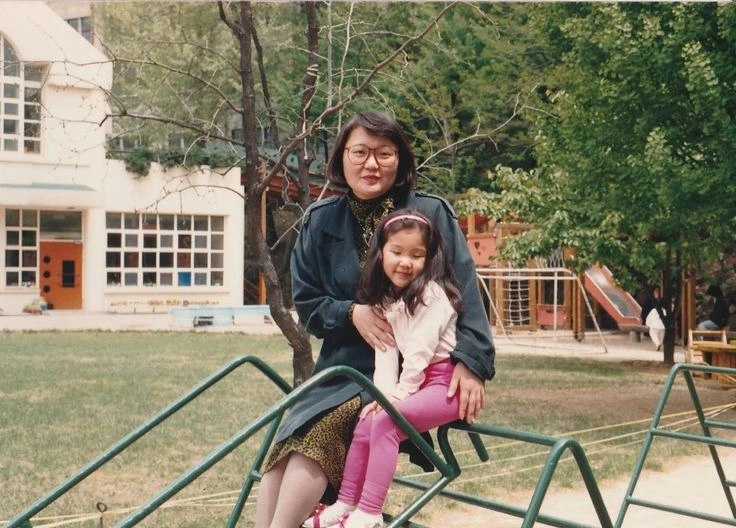
She was raised by her grandmother. After an accident, their shared memories became difficult to access. Following her grandmother’s passing, she came to MNEM to reconnect with the warmth of their time together.
CASE STUDY / CHILDHOOD MEMORY
PHOTO · FAMILY ACCOUNTS · PLACE
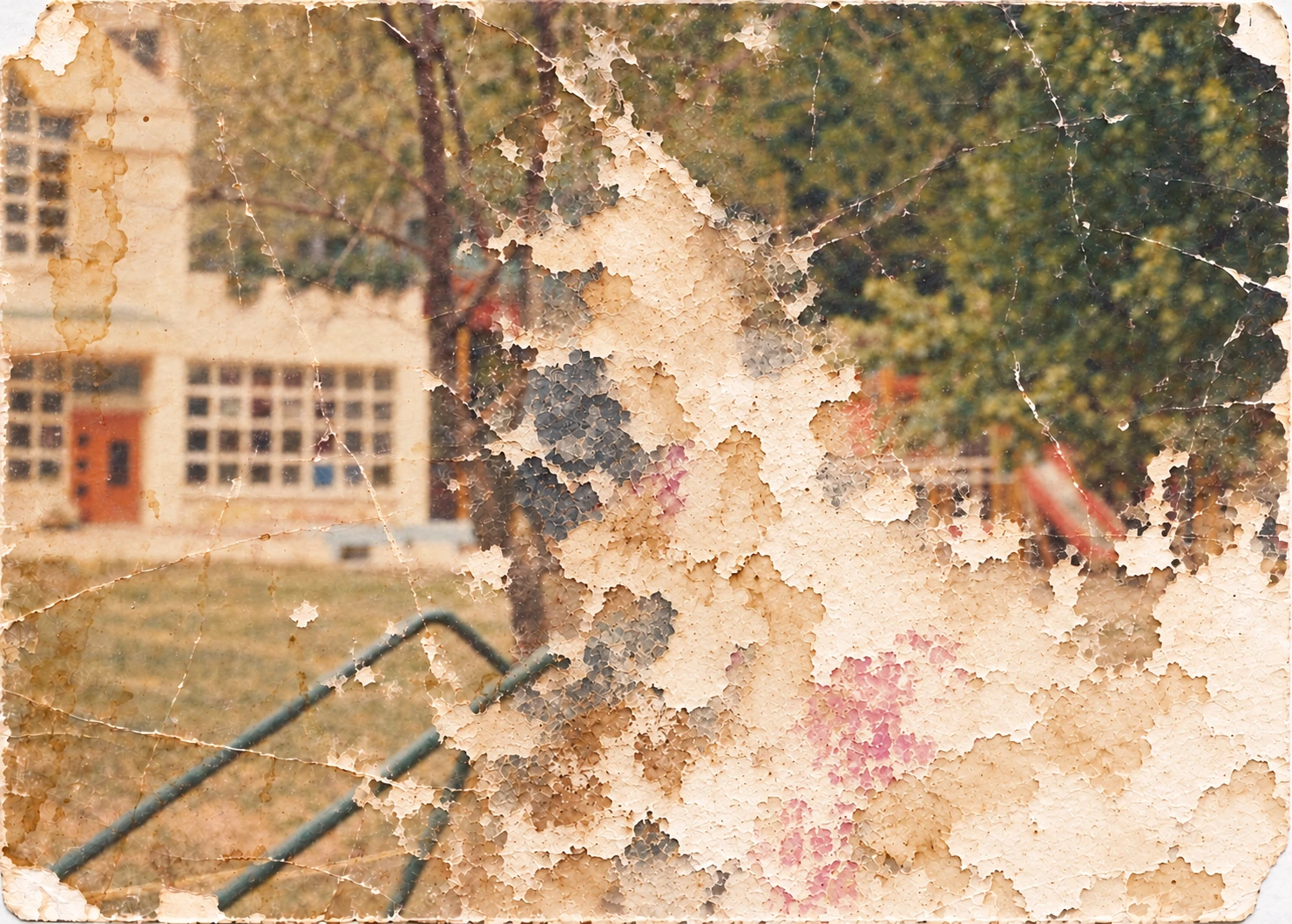
THE EVIDENCE DESK
What survived
the moment?
Move the photographs. Open a record. Follow the relationships between a face, a place and the words a family remembers.
DRAG TO ARRANGE / CLICK TO INSPECT
KEYBOARD: FOCUS A RECORD AND PRESS ENTER
Photographs can support a place, appearance and relationship. Missing dialogue and sequence remain proposed details.
Follow this restoration caseARCHIVED CASE / EIGHT STAGES
How this memory
returned.
Follow the grandmother case from the first claim to the final archive, including her appointment for on-site integration. Each stage connects the evidence above to a recorded decision.
CASE WALKTHROUGH / REMEMBERING GRANDMA
04 / MEMORY RECOVERY SERVICE
From a fragment
to continuity.
Eight stages connect your evidence, reconstruction and review to a separately authorised, scheduled visit for on-site memory integration.
01Open a claim
Describe your memory loss, what you hope to recover and why it matters. A claim may follow an accident, illness, trauma, ageing or the gradual loss of time-related detail.
OUTPUT / PERSONALISED CLAIM RECORD02Gather core evidence
Bring original photographs, video, audio, letters and conversations. Family testimony, related images, objects and personal descriptions establish the core evidence chain.
OUTPUT / CORE EVIDENCE CHAIN03Locate gaps & alternative material
Identify what is missing. Seek related photographs, family accounts, maps, old recordings and contextual records. The combined material forms the reconstruction brief.
OUTPUT / CONTEXT AND RECONSTRUCTION BRIEF04Reconstruct & cross-check
Combine core evidence with contextual inference. Compare the candidate with testimony, chronology, personal fragments and other records. Preserve the distinction between restored evidence and proposed details.
OUTPUT / CANDIDATE MEMORY VERSION05Review the candidate
Inspect the photograph, reconstructed scene, event summary, family relationships and timeline. Accept the candidate, review its details or return to reconstruction.
CHOICES / THIS FEELS RIGHT · REVIEW DETAILS · RECONSTRUCT AGAIN06Authorise integration
Make a separate decision about whether the reviewed version may enter your personal memory archive and the institution’s integration procedure.
OUTPUT / EXPLICIT AUTHORISATION07Schedule your on-site visit
After authorisation, choose your MNEM location, preferred date and session time. Review your appointment and arrival instructions before continuing to the on-site procedure.
OUTPUT / APPOINTMENT AND ARRIVAL DETAILS08Integrate the memory
At your scheduled on-site visit, the fictional service connects the neural interface, encodes the accepted version and integrates it into long-term memory. The final version is recorded and the personal archive is updated.
OUTPUT / INTEGRATED VERSION AND UPDATED ARCHIVE05 / CLIENT CARE
A place to
return to yourself.
Quiet spaces. Considered conversations. A carefully guided journey from the first photograph you bring to the memory you choose to carry forward.
EXPLORE THE INSTITUTE / FIVE SPACES
Drag the photograph or use the arrows to explore the institute.
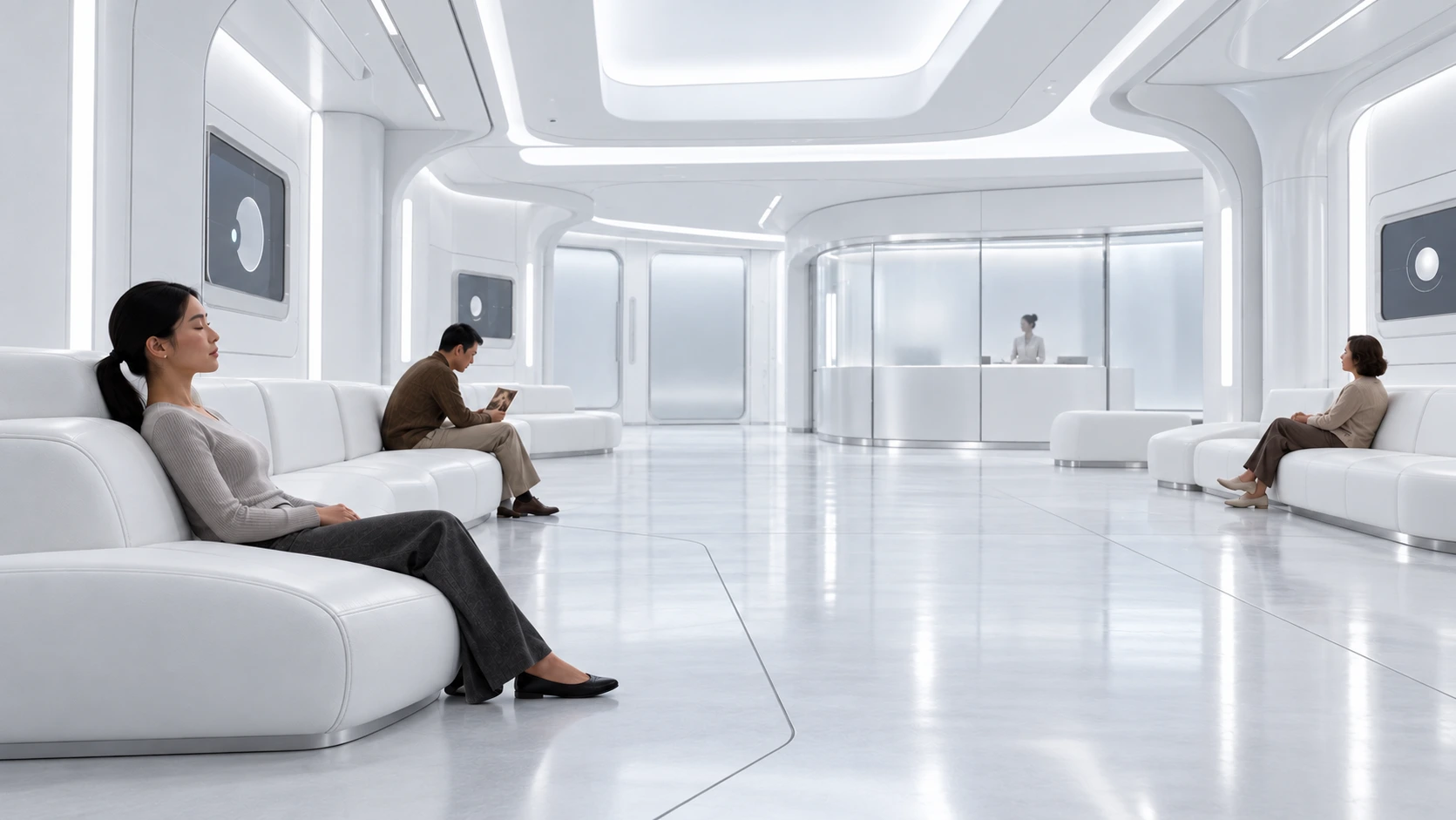
This photograph could not be loaded. Use the arrows to choose another space.
The waiting room
ARRIVAL / A QUIET BEGINNING
A quiet beginning. Bring the fragments you have kept; our team will guide you through what comes next.
YOUR NEXT CHAPTER
Some things
are worth
remembering.
Begin with one fragment. A photograph, a voice, a place. Tell us what it means to you.